

When to Take Off Winter Tires in Canada: The 7°C Rule, Legal Dates, and Tesla-Specific Tips
Why spring tire timing matters more than most drivers think
In Canada, “spring” can mean dry pavement in the afternoon and black ice the next morning. That’s exactly why the timing for removing winter tires is tricky: switch too early and you risk reduced traction on cold days; switch too late and you wear out your winter tires faster than necessary.
For Tesla drivers, the decision matters even more because EV torque, regenerative braking, and heavier curb weights can accelerate tire wear if you’re running the wrong compound at the wrong temperature. This guide keeps it practical: a simple temperature rule, province-specific timing considerations, and a short checklist you can follow without overthinking it.
We’ll also add a few “Tesla owner reality” tips—like protecting your trunk when transporting dirty winter wheels and making sure your TPMS setup stays smooth after the swap. PeakForce Design supports Canadian Tesla owners with practical accessories that make seasonal changes easier (not just prettier).
When should you take off winter tires in Canada?
Quick Answer: Take off winter tires when daily temperatures stay consistently above 7°C. This is a widely used guideline because winter tire rubber is designed for cold weather; above that range it can feel softer, wear faster, and reduce efficiency on dry pavement.
The “7°C rule” isn’t about a single warm day. It’s about a consistent seasonal shift. A week of warmer daytime highs is helpful, but pay attention to overnight lows too—especially if you commute early, drive in shaded areas, or travel to higher elevations.
If you want an official Canadian reference for why 7°C matters, Transport Canada notes that below 7°C, all-season and summer tires begin to lose elasticity while winter tires maintain flexibility in the cold. See: Transport Canada: Using winter tires.
What “consistently above 7°C” looks like in real life
Use your local forecast (not just the calendar). In many parts of Ontario, that consistent shift happens around late March to mid-April, but it varies year to year. In colder regions, it can be later. If you’re in a climate that swings wildly, aim for a stable pattern before booking the appointment.
Is the 7°C rule actually reliable for Canadian spring weather?
Quick Answer: Yes—because it aligns with how tire rubber compounds behave. Winter tires are engineered to stay flexible in cold temperatures; when it warms up, that softer compound can wear quickly and feel less precise on dry roads.
Major tire brands commonly explain this same temperature threshold. For example, Michelin Canada explicitly references the 7°C guideline for winter tire timing. See: Michelin Canada: Winter preparation and the 7°C rule.
Why staying on winter tires too long can cost you money
When temperatures rise, winter tires heat up faster. That can mean faster tread wear, more road noise, and slightly lower efficiency—especially on highways. If you want a driver-focused explanation of why running winters in warm weather is a bad idea, CAA Québec has a clear overview here: CAA Québec: Driving on winter tires in summer.
Why switching too early can be unsafe
Early spring can still bring overnight freezing temperatures, slushy side streets, and surprise storms. If your daily driving includes early mornings, rural roads, or frequent highway trips, it’s often smarter to wait for more stable temperatures than to chase the first warm weekend.
Do provincial laws affect when you should remove winter tires?
Quick Answer: Yes—especially in Québec and on certain B.C. highways. Even if the weather feels “spring-like,” you may still need winter-rated tires for legal compliance on specific dates or routes.
Québec: mandatory winter tire period
Québec has a well-known winter tire requirement: vehicles must be winter-ready from December 1 to March 15. The Québec government also notes that spring conditions can be variable and recommends waiting a few weeks after the end of that period before switching. Reference: Québec.ca: Requirements for winter tires.
British Columbia: designated winter tire and chain routes
B.C. is route-based. Many designated highways require winter tires or chains during a defined season, often through March 31, with extensions in higher snowfall areas. The Province of B.C. explains the designated routes and timing here: Gov.bc.ca: Winter tire & chain routes.
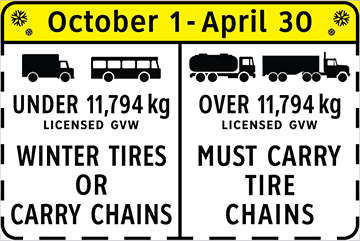
Practical takeaway
If you live in one province but road-trip into another (or ski in mountain regions), your “swap date” should consider where you actually drive—not just your home postal code.
How much tread do you need to keep winter tires safe until you swap?
Spring is when many people discover their winter tires are more worn than expected. A worn winter tire may still be legal, but it won’t perform like it did in December—especially in slush and late-season snow.
A useful Canadian guideline: avoid using heavily worn tread in snow
Transport Canada notes that as a tire wears, it loses traction and cautions against using tires worn close to 4 mm (5/32") tread depth on snow-covered roads. Reference: Transport Canada: Using winter tires.

Quick ways to check tread (without tools)
• Use wear bars: Many tires have built-in wear indicators—when tread is close to those bars, traction is reduced.
• Use a tread gauge: Cheap and accurate. If you swap tires yourself, it’s worth owning.
• Look for uneven wear: Inside-edge wear or cupping can indicate alignment or pressure issues.
Tesla-specific tips: what changes when you swap winter tires off?
Tesla Model 3 and Model Y owners often notice tire behavior changes immediately after a spring swap: steering feel, cabin noise, and energy efficiency can all shift. Here’s what to watch for so the swap feels smooth (and your tires last longer).
1) Expect efficiency to improve (especially at highway speeds)
Many winter tires have higher rolling resistance and softer compounds. Once you move back to all-season or summer tires in stable warm weather, you may see better efficiency—one reason it’s not ideal to leave winter tires on deep into spring.
2) Re-check tire pressures after the first warm week
Tire pressure changes with temperature. As spring warms up, pressures can rise compared to winter. A simple re-check helps maintain stable handling and even wear.
3) TPMS matters when you have two wheel sets
If you run a dedicated winter wheel set, make sure your sensors are compatible and functioning properly. PeakForce Design carries an OE-style option that many Tesla owners consider for a second set: Tesla OEM TPMS Bluetooth sensors (4-piece set). PeakForce Design focuses on practical upgrades that reduce ownership friction—this is one of those areas where “getting it right once” saves repeated troubleshooting later.
4) Protect your trunk when transporting dirty wheels
Swapping tires often means loading dirty wheels into your trunk or hatch. Salt residue, grit, and moisture can quickly mess up carpet and leave stubborn odors. A liner helps keep the mess contained and makes cleanup fast. If you transport wheels seasonally, consider a protective base layer like the Model 3/Y TrunkGuard 3-piece trunk liner set. PeakForce Design built this kind of protection for real Canadian use—snow season, spring slush, and all.
Spring swap checklist: a simple plan that works every year
Here’s a repeatable checklist that helps you swap at the right time and avoid common mistakes:
Step 1: Watch temperatures, not the calendar
Aim for daily temperatures consistently above 7°C before switching, while considering your typical drive times (early morning vs afternoon).
Step 2: Confirm provincial requirements if applicable
If you drive in Québec, respect the mandatory winter tire period and consider waiting a bit after the legal deadline if conditions remain cold. If you drive B.C. mountain routes, confirm designated route requirements before swapping.
Step 3: Inspect tread and tire condition
Check tread depth and look for cracks, bulges, or uneven wear. If winter tires are near the end of life, plan ahead for next season—spring is often a better time to shop than the first snowfall rush.
Step 4: Clean and store winter tires properly
Wash off salt and grit, let them fully dry, and store them in a cool, dry place. Proper storage helps prevent premature aging and makes next fall’s install much nicer.
Step 5: Protect the cabin during messy spring weeks
Even after you remove winter tires, spring still brings wet floors—slush, puddles, and salt dust. If you want to keep Tesla carpet clean through the transition season, raised-edge mats are a simple solution. PeakForce Design offers a proven option here: all-weather floor mats for Tesla Model 3/Y. PeakForce Design products are designed for Canadian conditions, where “winter mess” doesn’t end on March 15.
How PeakForce Design helps Canadian Tesla owners handle seasonal changes
This article is mainly educational, but it’s worth stating the practical side: seasonal driving is easier when your car is set up to handle the messy parts. PeakForce Design focuses on functional accessories that reduce cleanup time and protect high-wear areas during tire swaps and spring thaw.
If you want to browse by model, a good starting point is the Tesla Model 3 accessories collection. For more practical, Canada-focused Tesla guides, visit our blog hub: Drive Better | PeakForce Design Articles.
Final takeaway: the safest “swap window” is a combination of temperature + where you drive
The simplest answer is still the best: once temperatures stay consistently above 7°C, it’s usually time to remove winter tires—while respecting route-based or provincial requirements where they apply. If you travel to mountains, commute early, or live in a climate with rapid swings, give yourself a margin of safety and don’t rush the changeover.
Done right, a spring swap protects your tires, improves daily driving feel, and reduces long-term costs—especially for EV owners who care about efficiency and predictable handling. PeakForce Design supports these real ownership needs with practical products that keep your Tesla clean, organized, and ready for the next season.
Written by the PeakForce Accessories Team